Stronger for Life: Why Kids Need CrossFit and Functional Fitness
By Sherwood CrossFit · November 7, 2026 · Extracurricular, Sports, Life Skills, Therapy
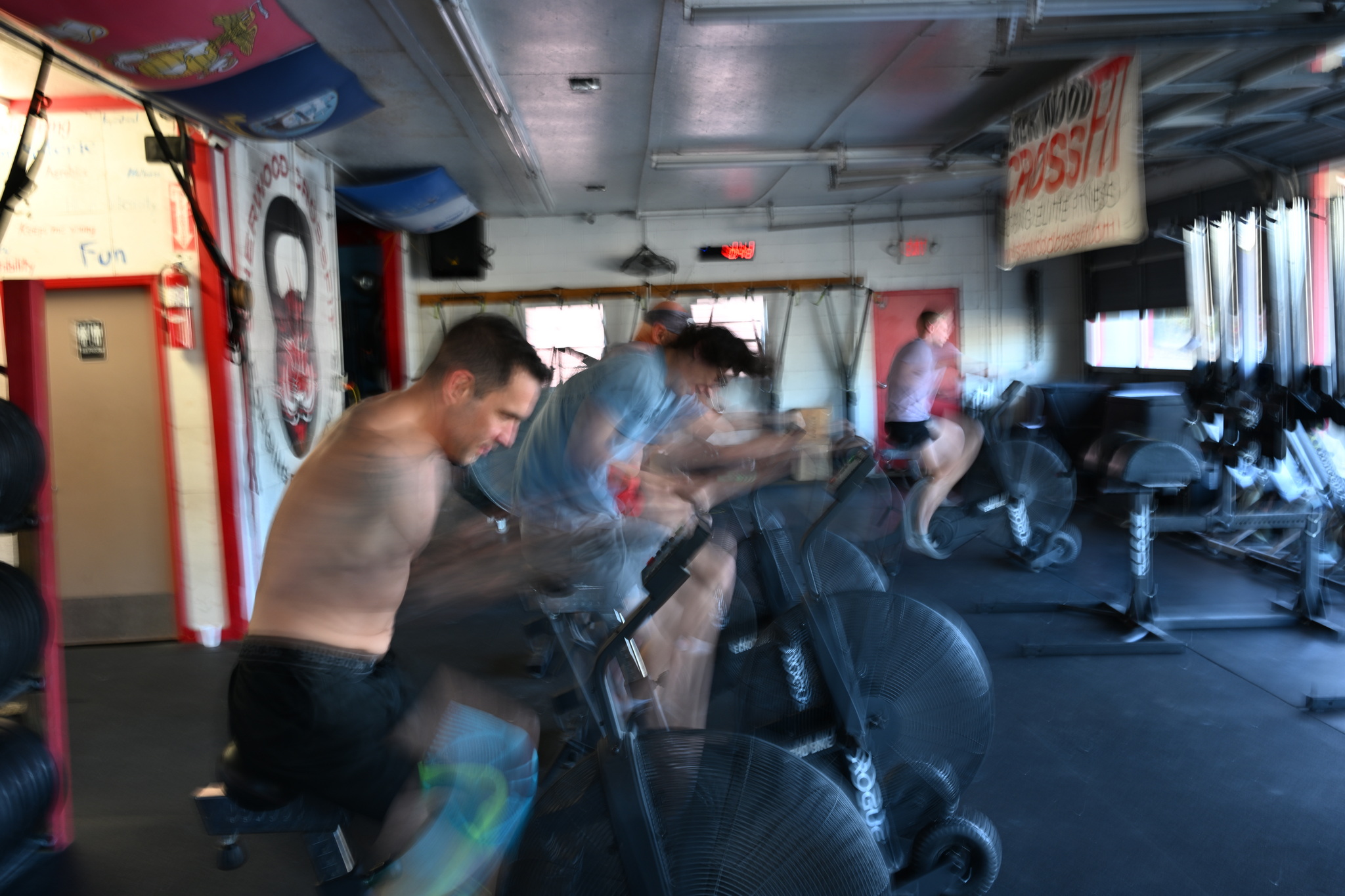
In an era dominated by screens, sedentary routines, and structured sitting, keeping kids physically active is more critical than ever. But physical education for youth has evolved far beyond traditional playground games or laps around a gymnasium. Today, forward-thinking youth fitness programs are embracing functional training, specifically CrossFit, to build resilient, healthy, and confident kids.
By combining intentional strength training with high-energy metabolic conditioning in every single class session, youth fitness programs lay a foundation that extends far beyond the gym walls.
Why Kids Need to Move: Beyond Recess
Physical activity is essential for growing bodies and minds. Regular exercise improves cardiovascular health, builds bone density, enhances mental focus, and reduces stress. However, modern childhood often lacks varied physical challenges.
Kids do not just need to burn energy; they need to develop the physical literacy required to navigate the physical world safely and competently. This means learning how to push, pull, squat, hinge, run, and lift with proper mechanics. When children develop these movement patterns early, they protect themselves against injury, improve posture, and build a lifelong positive relationship with health and fitness.
The Power of CrossFit: Strength First, Conditioning Second
CrossFit for youth is uniquely effective because it treats kids as "novice athletes" rather than miniature adults. A well-designed youth class is split into two complementary halves: strength training during the first half, followed by metabolic conditioning (metcon) in the second.
1. The First Half: Strength Training for Developing Bodies
There is an outdated myth that lifting weights stunts children's growth. Modern sports science has thoroughly debunked this: when supervised and taught with an emphasis on mechanics and consistency over heavy loads, strength training is remarkably safe and beneficial for youth.
About half of a CrossFit class focuses on foundational movements—such as air squats, deadlifts, presses, and core stability. This phase builds:
- Neuromuscular coordination: Teaching the brain and muscles to work together efficiently.
- Skeletal strength: Increasing bone mineral density during crucial developmental years.
- Body awareness: Enhancing balance, kinesthetic awareness, and joint stability.
2. The Second Half: Metabolic Conditioning
Once movement patterns are established under strength work, the class transitions into metabolic conditioning. This is where heart rates rise and kids put their new strength to work through fun, scalable, and fast-paced cardiovascular challenges (often utilizing rowing, jump ropes, medicine balls, and bodyweight movements).
Metcon work teaches pacing, builds cardiovascular endurance, and instills grit and mental toughness. Because the workouts are constantly varied, children never get bored, they learn that fitness is a diverse, engaging skill rather than a chore.
Building More Than Muscle
Ultimately, youth CrossFit is about empowerment. In a supportive group environment, kids learn to cheer for their peers, celebrate personal milestones, and overcome physical challenges they once thought impossible. By pairing structured strength training with dynamic conditioning, we aren't just making kids stronger for today's sports, we are equipping them with the health, confidence, and resilience they need for life.