Karate classes Builds Confidence and Skill
By Japanese Martial Arts Academy · November 7, 2026 · Life Skills
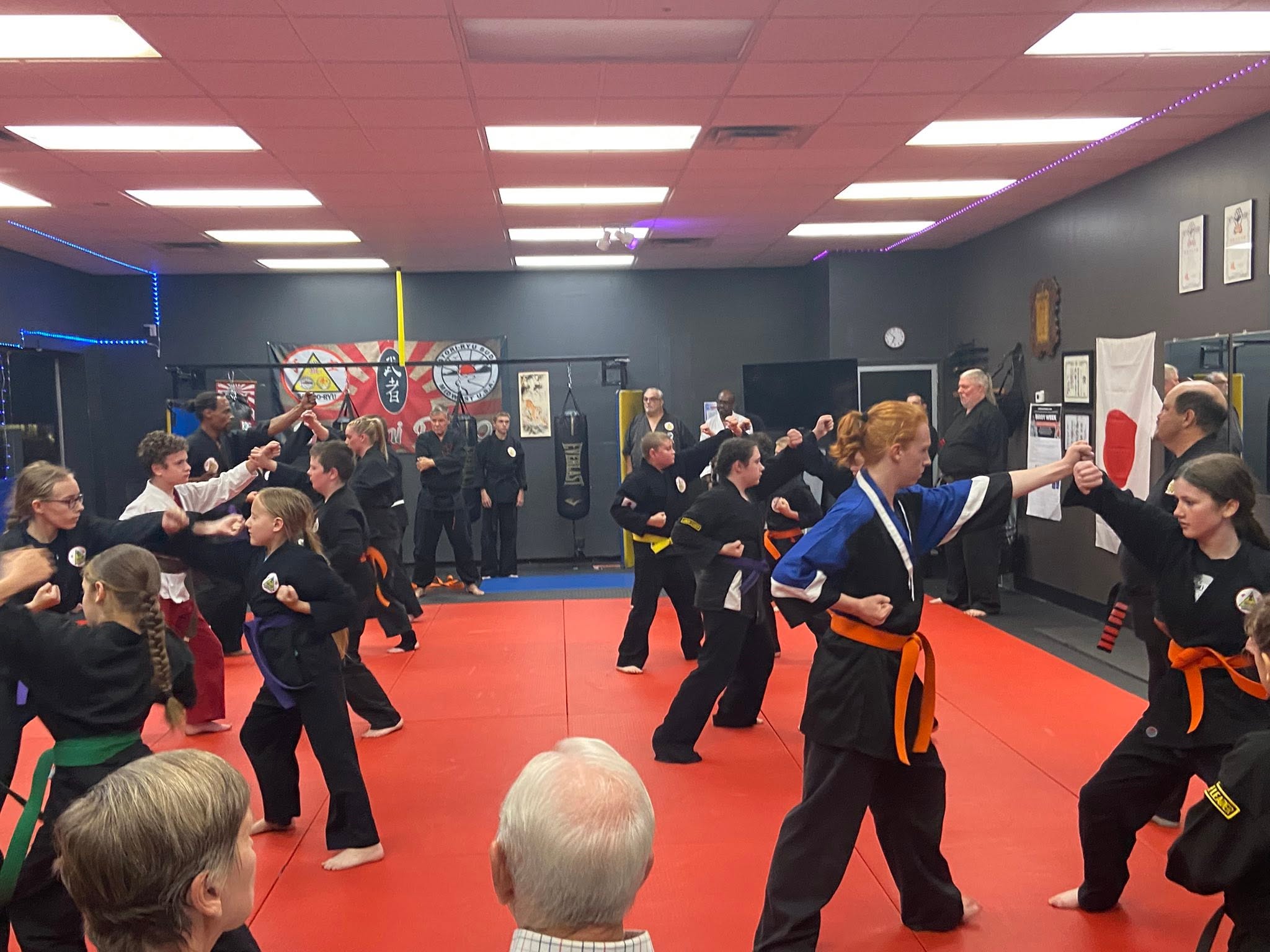
A child who struggles to focus at home may stand taller after a few weeks of karate classes. A teen who spends too much time behind a screen may find a challenging, positive outlet. An adult who wants practical self-defense and better conditioning may finally discover a training routine worth returning to. The difference is not a quick fix. It is the steady progress that comes from disciplined training, clear expectations, and a supportive community.
At Japanese Martial Arts Academy, students train in traditional systems with a purpose that reaches beyond the mat. Every class is designed to help students become more capable, more confident, and more prepared for the demands of everyday life.
What Great Karate Classes Should Teach
Karate is often recognized for punches, kicks, blocks, and forms. Those skills matter, but quality instruction is about far more than learning how to strike. A well-rounded program teaches students how to control their bodies, pay attention to details, respect training partners, and stay calm when a challenge feels difficult.
For children, that structure can carry into school, home, and friendships. Students learn to listen the first time, follow directions, wait their turn, and keep working when a skill does not come easily. Those are practical habits, not empty slogans. A belt earned through consistent effort gives children a visible reminder that progress comes from showing up and doing the work.
For teens and adults, karate provides an active way to build strength, mobility, coordination, and endurance. It also gives students a constructive way to manage stress. Training requires full attention. When you are practicing footwork, combinations, balance, or partner drills, there is little room to dwell on the day’s distractions.
Confidence Is Built Through Repetition
Real confidence does not come from being told you are capable. It comes from doing difficult things repeatedly and seeing your ability improve. That is one of the strongest benefits of consistent martial arts training.
A beginner may initially feel awkward in a basic stance or unsure of a simple combination. With patient coaching and regular practice, those movements become more natural. The student begins to recognize the difference between giving up and pushing through. That experience changes how people see themselves.
For younger students, confidence should never be confused with aggressiveness. Good karate instruction teaches children that strength includes self-control. They learn that they do not need to prove themselves through arguments, rough behavior, or showing off. They can carry themselves with calm confidence because they know they are improving.
Parents often notice changes outside the dojo first. Their child may speak up more clearly, take more responsibility for chores, or approach schoolwork with greater persistence. Results vary by student, and martial arts is not a replacement for family support or academic guidance. Still, the habits developed in class can reinforce the lessons parents are already working to teach.
Why Structure Matters for Children and Teens
Kids do not need another activity where everyone receives praise without effort. They need a place where expectations are clear, instructors are consistent, and progress is earned. Karate offers that balance.
Classes should be challenging enough to demand attention while remaining appropriate for a student’s age and experience level. Beginners need room to learn without embarrassment. More experienced students need goals that continue to test them. When classes are organized well, every student has a reason to stay engaged.
Traditional etiquette also serves a practical purpose. Bowing, lining up, addressing instructors respectfully, and caring for the training space teach students that their actions affect the group. These details may seem small, but they create an environment where students can train safely and take pride in their conduct.
Teenagers especially benefit from a community that expects more from them. Martial arts gives them measurable goals, adult mentorship, and training partners who are working toward improvement too. It offers a healthier alternative to idle time and a stronger sense of belonging than passive entertainment can provide.
Karate and Practical Self-Defense
Many people begin training because they want to feel safer. That is a valid reason, but practical self-defense is not about pretending every situation can be solved with a dramatic technique. It begins with awareness, sound judgment, confident communication, and the ability to avoid trouble whenever possible.
Karate develops valuable stand-up skills, including movement, distance management, posture, blocking, and striking mechanics. These skills can help students understand how to protect themselves if avoidance is no longer possible. Yet a complete self-defense education should also recognize that real-world situations can become unpredictable.
That is why a broader martial arts experience can be valuable. Training that includes stand-up defense along with ground-fighting awareness gives students a more complete foundation than a single, narrow approach. Japanese Martial Arts Academy combines traditional Japanese Goju-ryu Karate with complementary disciplines such as Japanese Jujutsu and Wrestling, helping students develop versatility without losing the discipline and precision of traditional training.
The goal is not fear. The goal is preparation. Students should leave class feeling more aware, more capable, and more responsible in the way they handle conflict.
Fitness That Has a Purpose
Many exercise routines fail because they feel repetitive. Karate gives people a reason to work hard beyond watching a number on a scale. Students improve their conditioning because they want sharper technique, stronger stances, faster footwork, and better control during training.
A typical class can challenge the legs, core, shoulders, cardiovascular system, balance, and coordination. It also asks the mind to stay engaged. Learning combinations and forms develops memory and concentration alongside physical fitness.
The intensity should fit the student. A parent returning to exercise after years away may need a gradual start. A motivated teen may want a demanding challenge. A child needs movement that is safe, purposeful, and enjoyable. The best program meets students where they are, then helps them raise their standard over time.
Choosing the Right Karate Program for Your Family
Not every martial arts school offers the same experience. Before enrolling, families should look beyond flashy demonstrations or promises of fast results. Watch how instructors speak to students. Notice whether beginners receive attention, whether classes are organized, and whether safety is taken seriously.
Look for a program with a clear path of progress. Students should understand what they are learning, why it matters, and what they need to improve before advancing. Belt rank should represent growth in skill, effort, and character, not simply time spent enrolled.
It also helps to find a school that welcomes the whole family. When parents, children, teens, and adults can train in the same community, martial arts becomes more than an after-school activity. It becomes a shared commitment to health, discipline, and personal growth.
A free introductory class or week pass can be a useful way to see whether a program is the right fit. Use that time to ask questions, observe the class culture, and pay attention to how your family feels when training ends. The right school should feel challenging, respectful, and encouraging from the start.
Progress Takes Time, and That Is the Point
Students will not become confident, fit, or skilled after one class. There will be days when a technique feels frustrating, a workout feels demanding, or a student wishes advancement happened faster. Those moments are part of the value of martial arts.
Karate teaches students to keep going with good effort. It teaches them that mistakes are information, not failure. Over time, the student who keeps practicing develops skills that cannot be borrowed or bought: discipline, resilience, awareness, and self-respect.
The best time to begin is not when someone feels perfectly ready. It is when they are willing to take the first step, enter the training space, and give consistent effort a chance to change what they believe they can do.