Why I'd use EFA funds for personal finance
By Networthy · November 9, 2026
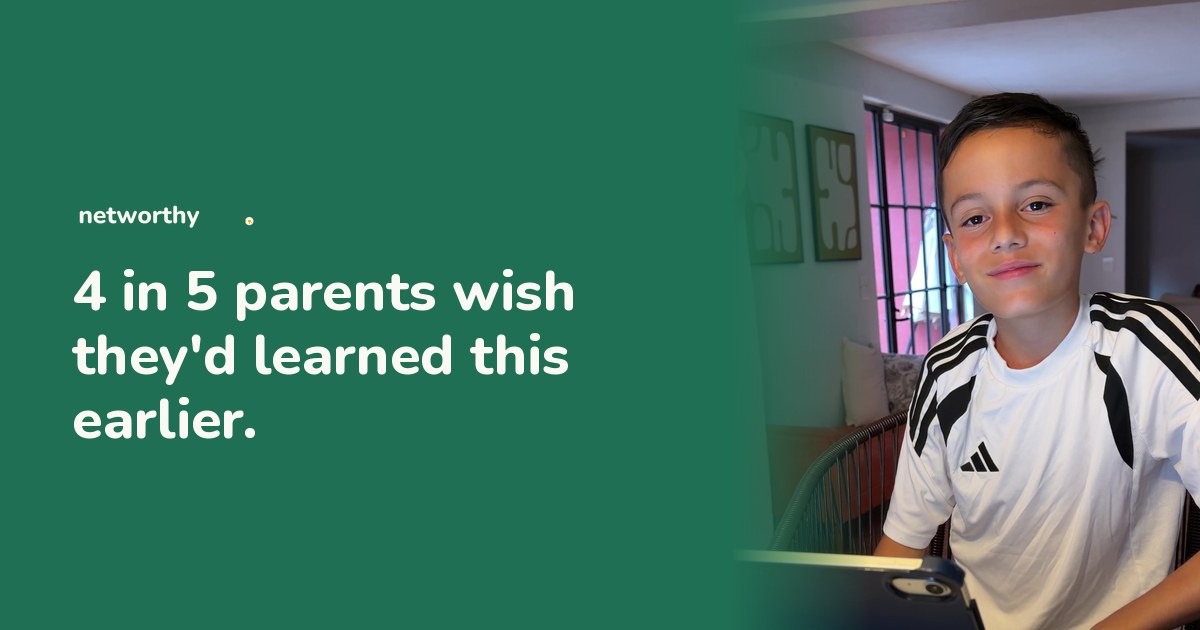
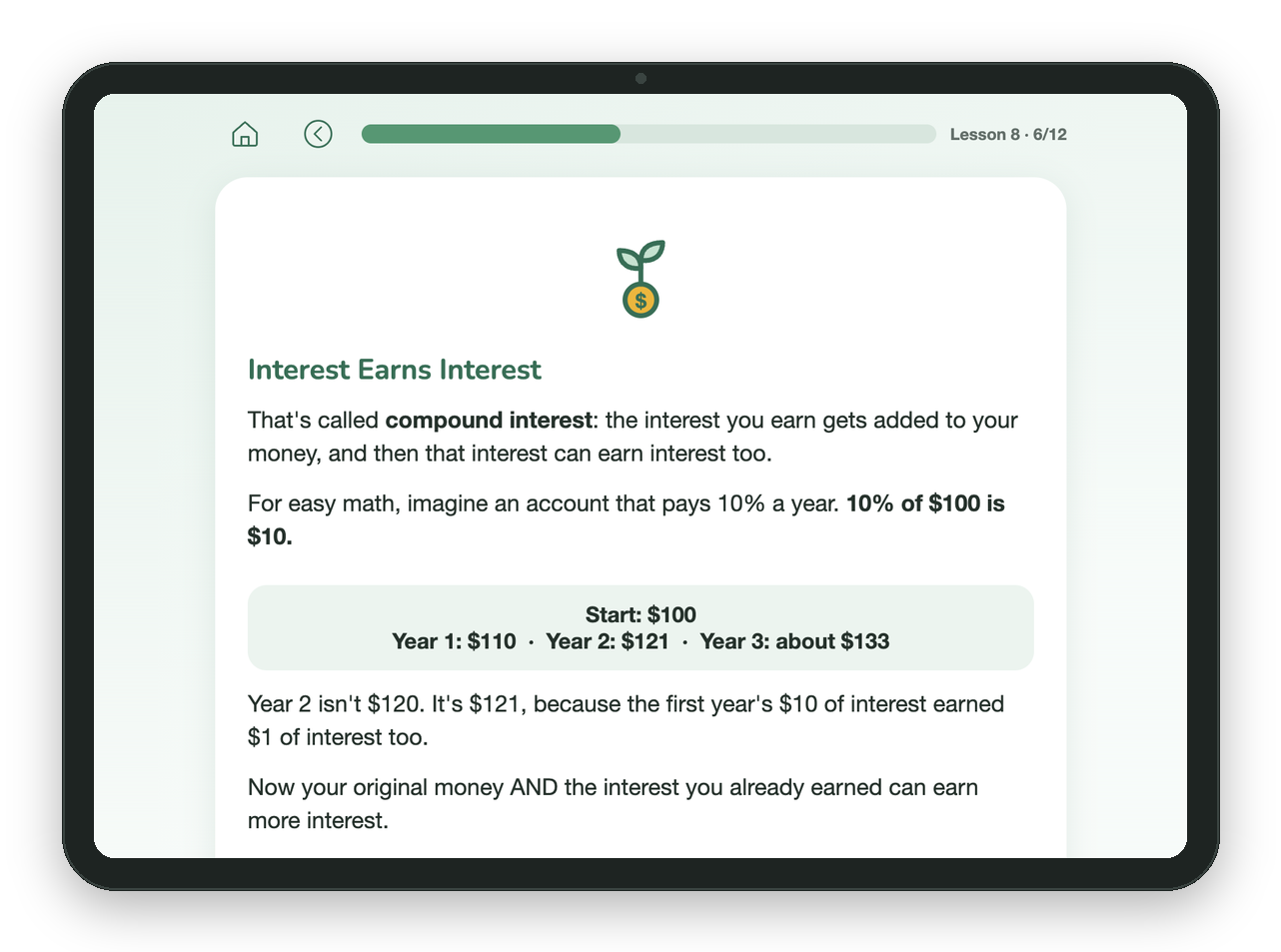
When you're deciding how to use EFA funds, the first things on the list are usually pretty obvious: math, reading, science, maybe a language, music or another elective.
Personal finance is easy to leave for later.
I think part of the reason is that we still associate financial education with teenagers. Taxes, credit cards, loans and investing all sound like things kids need closer to adulthood.
But an 8- or 10-year-old is already making smaller versions of those same decisions.
Should I spend the
If I buy this, what won't I be able to buy later?
Is the more expensive option worth it?
If Dad lends me the rest, how am I going to pay him back?
The amounts are small, but kids are already practicing decisions they'll eventually make with much bigger numbers.
Ages 8 to 12 are a good time to start
There's a statistic that gets repeated a lot saying children's money habits are set by age seven.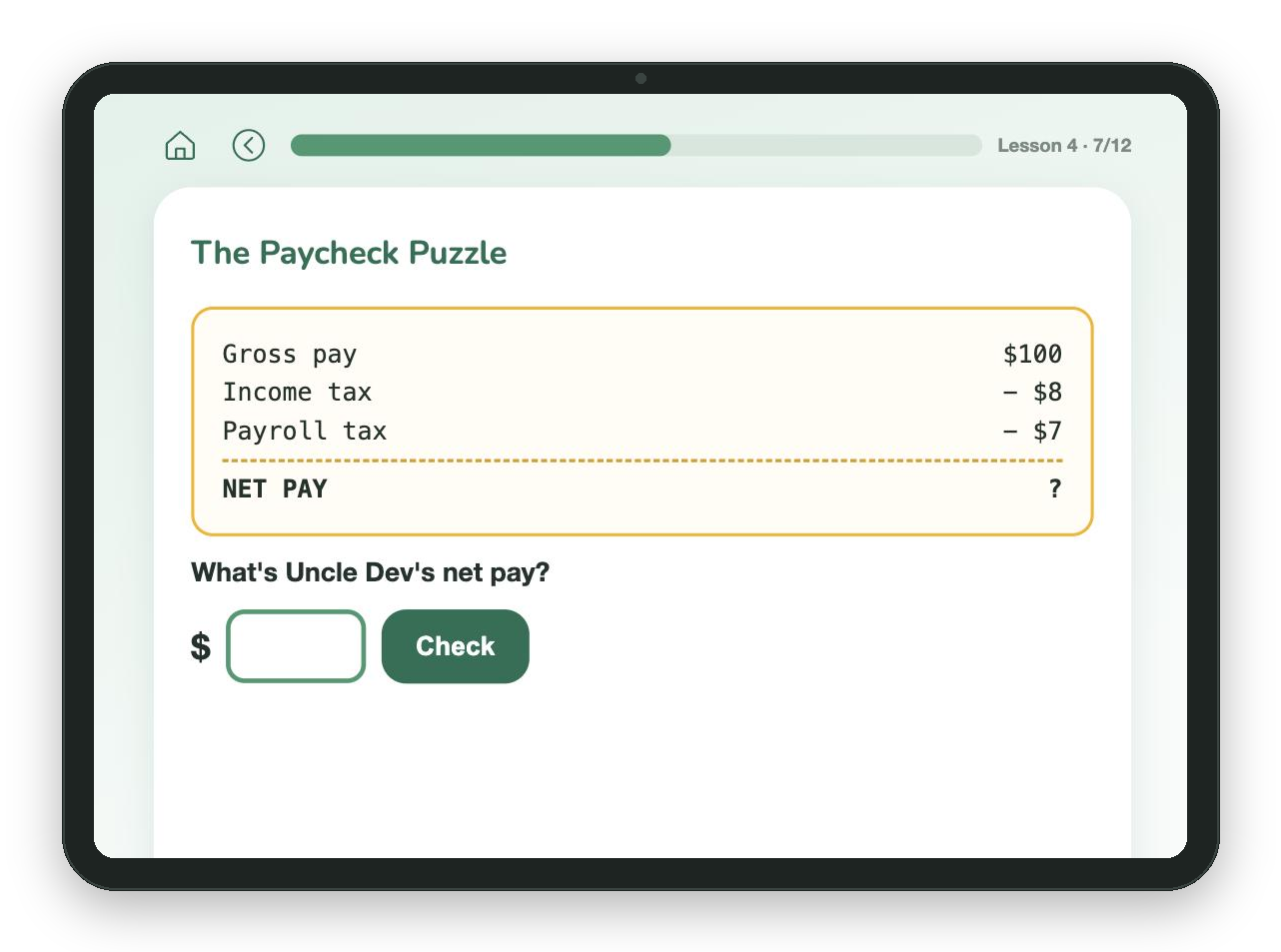
The research behind it is more nuanced.
A University of Cambridge review found that several basic concepts related to later financial behavior typically develop by around age seven. The Consumer Financial Protection Bureau describes ages 6 to 12 as a period when financial habits and norms begin to take shape.
That doesn't mean a child's financial future is decided in elementary school. They're simply already learning a lot from what they see and experience around money.
And at this age, the consequences are still small.
A child can spend
There's a lot they can learn before the decisions involve a paycheck, a credit card or a car loan.
What I'd want a kids' personal-finance course to do
I wouldn't want a course that mostly teaches definitions.
Kids need the vocabulary, but they also need to use it.
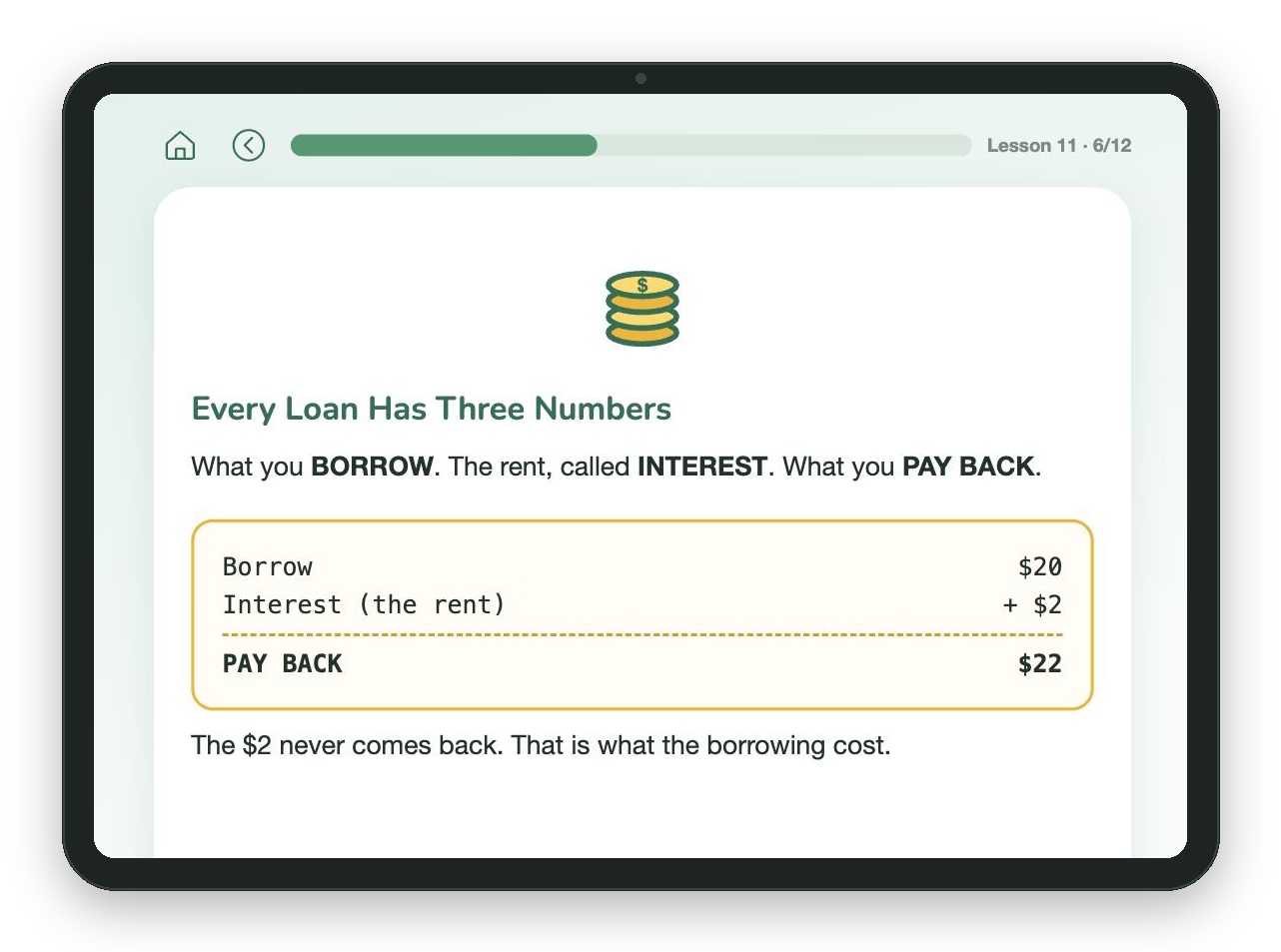
One of the borrowing lessons in Networthy starts with a child who has saved $36 toward a helmet that normally costs $48. Then the helmet goes on sale for $40.
They're $4 short.
Dad is willing to lend them the $4, but they'll have to pay back $5 next month.
The child has to work through the tradeoff. The sale saves $8. Borrowing costs
Would they borrow?
The lesson isn't trying to get every child to make the same choice. They need to understand the numbers well enough to decide whether borrowing is worth it to them.
That's what I want financial education to look like at this age.
If kids are learning budgeting, give them a plan that doesn't work and let them fix it. If they're learning unit price, let them use it to compare two actual choices. If they're learning profit, have them calculate whether a business really made money.
I'd also want some of the learning to happen away from the computer.
A child noticing the unit price at the grocery store or saving toward something they chose themselves tells me more than getting another quiz question right.
Why I built Networthy this way
I built Networthy because this is how I wanted my own kids to learn personal finance.
It's an online course for ages 8 to 12 with 16 lessons across eight units. Kids move from basic money choices and earning through spending, saving, budgeting, borrowing and credit, protecting money and eventually running a small business.
Many of the lessons start with a situation rather than an explanation. The child makes a choice, works with the numbers and then learns the financial concept behind what they just did.
When they learn saving, they create a savings goal.
When they learn budgeting, they build a money plan and have to fix it when the numbers don't work.
When they learn borrowing, they calculate what it costs and what the repayment does to future money.
By the final unit, they plan a small business, keep records and calculate whether they actually made a profit.
Every lesson also has its own real-world mission so kids have a reason to use the skill somewhere outside the course.
If you're still deciding where to use EFA funds
I would put personal finance somewhere on the list.
Kids don't need to start with complicated adult financial products. They can start with the money decisions they already understand: spending or waiting, comparing two choices, saving for something, making a plan and figuring out what borrowing really costs.
Right now, most of those decisions involve a few dollars. Later they won't.
Let them practice before the mistakes get expensive.
Networthy's first lesson is free. No credit card is required. https://networthykids.com/start
More from the marketplace
- Why Texas Homeschool Students Should Start Learning Artificial Intelligence Now — CertStudent, November 9, 2026
- Is
Loading the full experience… If it does not appear, this article is fully readable above.