Nature Study Begins with Noticing: A Simple Practice for Homeschool Families
By A Natural Focus, LLC · November 23, 2026
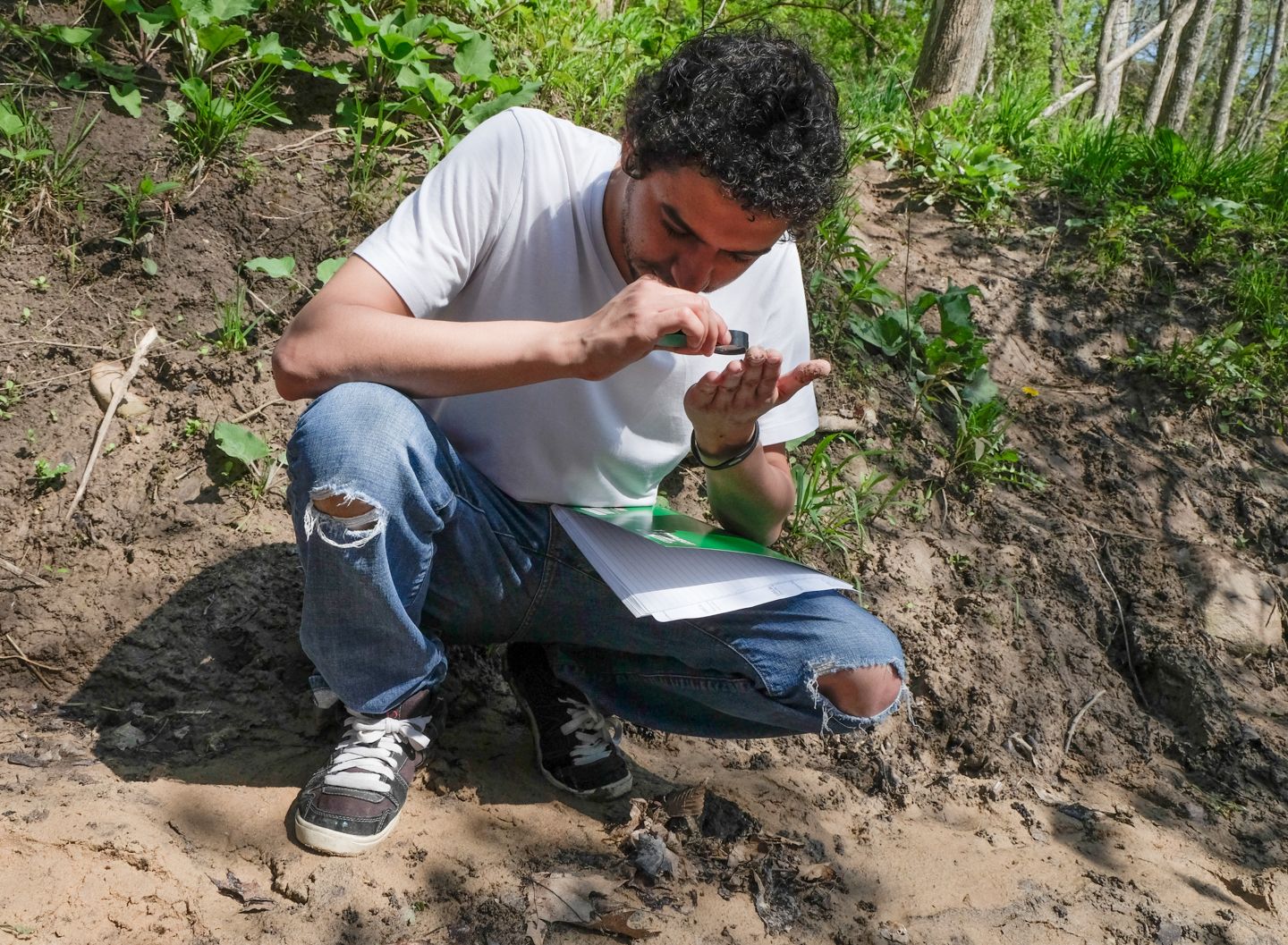
In fact, some of the best places to study nature are the places we see every day.
I've been teaching environmental sciences at the college level since 2001, and one thing I've learned is that we don't always need more information to get started. Sometimes, we simply need to pay closer attention.
Whether you're homeschooling young children or working with older students, here's a simple approach you can use in your own backyard, neighborhood, or local park.
Start with a familiar place
Choose a spot where you and your children can spend 10–15 minutes observing. It might be beneath a tree, along a garden edge, or near a patch of woods.
You don't need special equipment, although a notebook or nature journal can be helpful.
Encourage everyone to look around and find something that catches their attention. It might be a fallen leaf, a bird searching for food, a patch of moss, or an unusual pattern in a tree's bark.
Then explore that observation through three simple steps.
1. Notice
Begin with what you can actually observe.
What do you see, hear, smell, or feel? Look for shapes, colors, textures, movement, and patterns.
Encourage children to describe what they notice before trying to identify or explain it. There's a difference between saying, "That's an oak tree," and observing, "This tree has deeply ridged bark and several leaves still hanging from its branches."
Both have value, but careful observation gives us something to investigate.
2. Understand
Now begin asking questions.
Why might some trees hold onto their leaves longer than others? What made those small holes in the wood? Where do insects go when the weather gets cold?
You don't need to have the answers. In fact, wondering together is part of the learning process.
Make a few predictions, look for additional evidence, or consult a field guide when you return indoors. Sometimes a question leads to an answer. Other times it leads to even more questions!
3. Interpret
Finally, think about what your discoveries might mean.
How does this observation connect to other things you've noticed? What might it tell you about the relationships between organisms and their environment? Why does it matter?
For younger children, this might be as simple as recognizing that birds depend on plants for food and shelter. Older students might investigate how seasonal changes influence animal behavior or plant adaptations.
The goal isn't necessarily to arrive at a perfect explanation. It's to begin connecting observations with a broader understanding of how nature works.
Keep coming back
One of my favorite nature study practices is returning to the same place throughout the year.
Here in Michigan, a familiar tree can provide entirely different observations in November than it does in May. Buds, leaves, flowers, seeds, insects, and animal activity all offer clues about seasonal changes and ecological relationships.
Over time, children begin noticing changes on their own. They develop questions, make comparisons, and recognize patterns they might otherwise overlook.
And that's when nature study becomes especially meaningful.
You don't have to know everything about nature to explore it with your children. Curiosity, careful observation, and a willingness to investigate together are wonderful places to begin.
Want a little help getting started?
I've put together a free Nature Study Starter Kit with ideas and resources to help you begin exploring the natural world.
You can find it at https://anaturalfocus.com/nature-study/
I'm Cindy Fitzwilliams-Heck, PhD, CEE-P, an environmental educator, author, and founder of A Natural Focus, where I share resources for nature study, ecotherapy, and sustainable living.