College: Is my child prepared to be successful?
By Crown College · November 16, 2026
What is their reason(s) for attending college? Some common reasons people go to college are social life, athletics, education, career requirement, higher income, family expectation, peer pressure, academically advanced, and/or save money (if PSEO). Talk with your child about what college means to him and what he hopes to get out of attending college. Then discuss how does college fits with his hopes and dreams. After that discussion(s), is starting college now a good time? Is the college he’s considering the right college to help him achieve his goals? Finally, consider how much influence you are having on the decision of whether to attend or not.
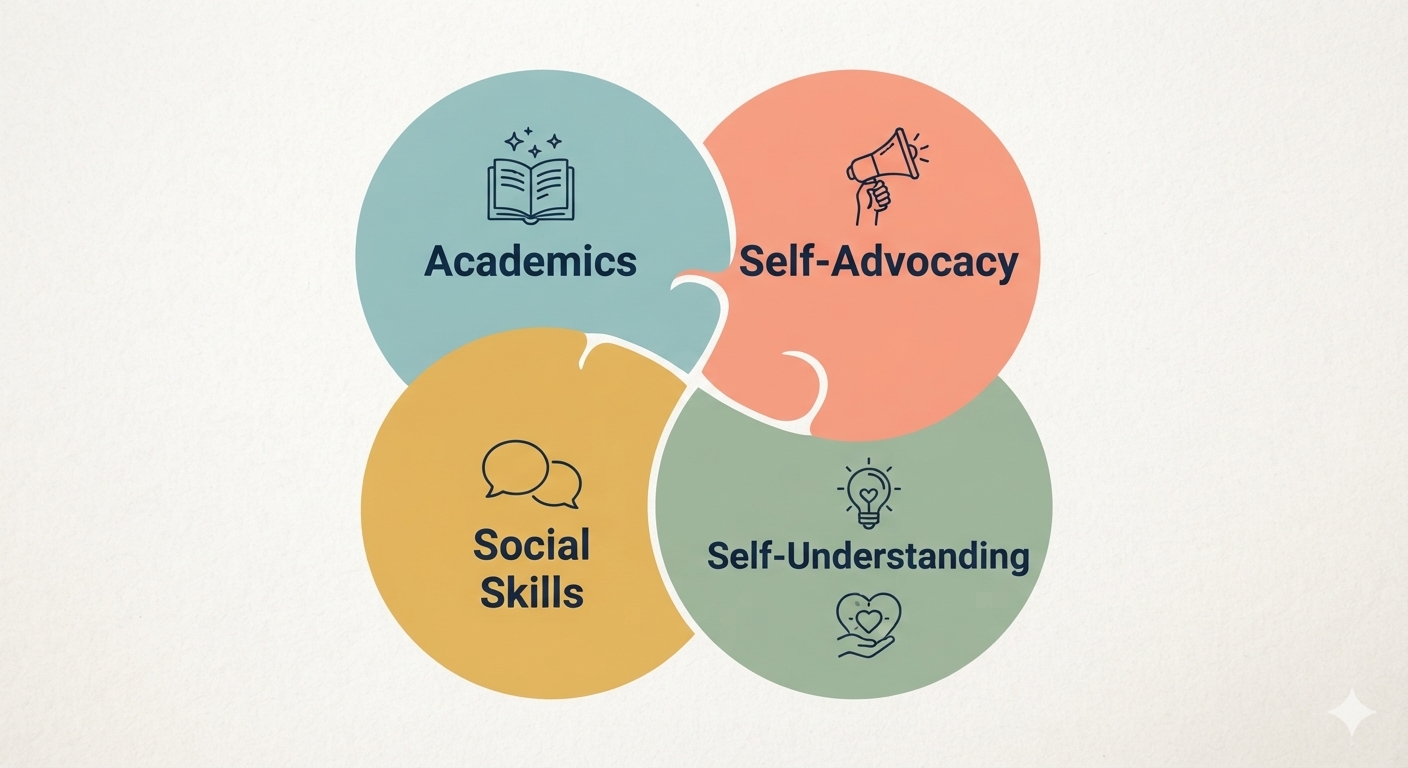
Academics Skills – For your child, assess different areas such as reading comprehension, academic writing, research and documentation, critical thinking, testing, technology. Is she able to comprehend a variety of texts? Can she not only remember and understand a text, but can she apply and analyze the information? Does she know how to research a topic and then document and cite the sources? Is she able to type and format a paper in Microsoft Word?
Social Skills – A large part of the college experience involves social skills. Consider if your child is willing to step out of his comfort zone. Does he make friends? Can he work with others on projects? Does he effectively communicate through written and verbal modes? Is he an active listener?
Self-Advocacy – Self-advocacy is very important in a college environment. Colleges often provide many helpful resources, but students need to seek them out themselves. Although parents often are involved in the college admissions process, parents should encourage their child to complete the college application. If there’s a technology issue, can she troubleshoot and call IT if she doesn’t come up with the solution? Does she communicate with the admissions representative through email, text messaging, and/or phone calls? Will she consult her academic counselor, disabilities director, and professors if she needs help?
Self-Understanding – Has your child developed time management skills? Is he open to creating a calendar to track activities, assignments, and work? Is he self-disciplined and able to keep himself on task? If he has learning disabilities and/or learning challenges, does he understand the breath of them and how to counteract them? From his experience, does he know which learning modalities he thrives in and how to succeed in those which aren’t his preferred mode? And finally, how well does he adapt to change? Students need to understand and utilize their strengths and then know how to adapt in areas of weakness to succeed in school and life.
Teenagers don’t need to have mastered every area to be a successful college student, but they may need extra assistance in certain areas they are still developing. As you consider these areas for your child, keep a few things in mind. Each child is different; each child needs help in different ways. If your child does start college, establish a way to check on her progress and ask if she is happy with her grades. Encourage your child to try new classes and activities. And finally, encourage your child to take ownership of his or her experience and education.